Post-Op Care
Advanced Multidisciplinary Post-Op Care
Advanced multidisciplinary post-op care is a comprehensive approach to help you recover after surgery, with a team of specialists from different fields. It goes beyond routine surgical follow-up, bringing together physicians, physical therapists, specialized nurses, nutritionists and other professionals as each patient needs.
After vascular surgery, for example, this includes close monitoring of your wounds, physical therapy to improve circulation and prevent blood clots, and adjusting your medication based on how you respond. We pay special attention to pain control and infection prevention, and we teach you how to care for yourself at home to avoid complications. This ensures every aspect of your recovery is covered, improving results and lowering the risk of complications or recurrence.
We also coordinate with other surgical specialties — including plastic surgery, orthopedics and general surgery — so patients who have had complex procedures get the right follow-up in every aspect of their recovery.
For combined surgeries or patients with several procedures, this teamwork speeds rehabilitation and minimizes complications. Specialists collaborate closely to monitor healing, manage pain, prevent infection and coordinate the care each type of surgery requires.
When to come in for an unscheduled post-op visit:
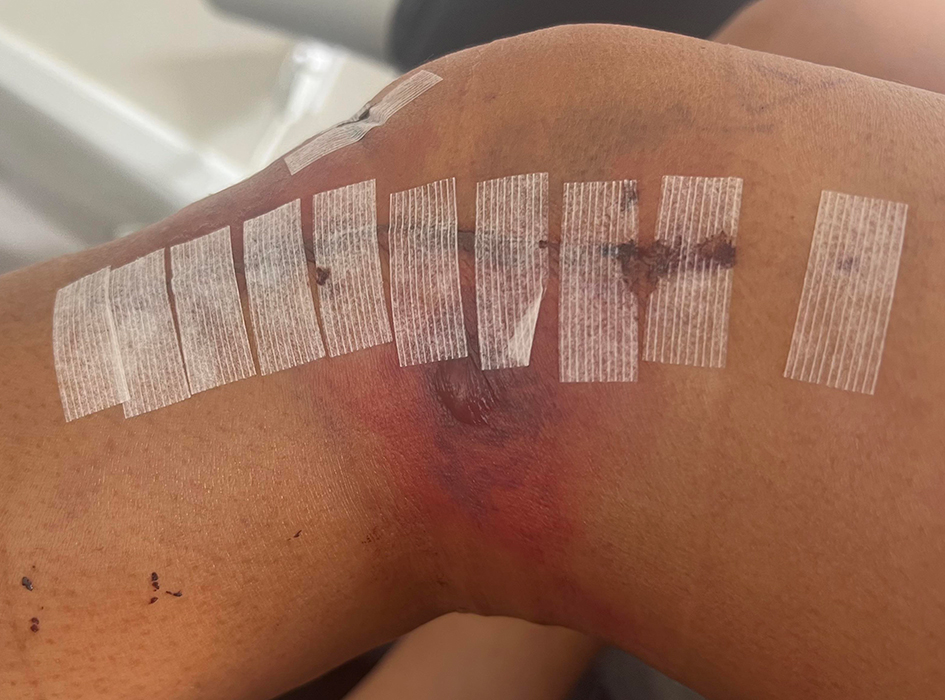
- Severe or worsening pain that does not improve with your prescribed pain medication, or that suddenly gets worse.
- Redness, warmth or swelling around the incision, which could signal an infection.
- Bleeding or abnormal discharge from the wound, such as pus or foul-smelling fluid.
- A persistent fever above 38 °C (100.4 °F), which could be a sign of infection.
- Chest pain or pain in your legs, which could be a sign of a blood clot.
- Chest pain or pain in your legs, which could be a sign of a blood clot.
- The incision opening or separating.
- Color changes in the skin around the area, such as paleness, redness or a purple tint.
- Loss of movement or increasing stiffness in the operated area for no clear reason.
- Problems with surgical drains, such as a blockage or a sudden increase in fluid.
What we treat
- Incision assessment: we check healing and look for redness, swelling, infection, bleeding or opening of the wound.
- Pain monitoring: we adjust your pain medication and make sure your pain is under control.
- Vital signs: we check blood pressure, pulse, temperature and other signs of complications.
- Infection screening: we look for any local or general sign of infection, such as fever, redness or discharge.
- Function of the treated area: we confirm that the treated organ or system is working as expected after your surgery (vascular, digestive, orthopedic and more).
- Side effects: we watch for reactions to medication or anesthesia and complications such as blood clots.
- Stitch removal: we remove sutures when your healing allows.
- Mobility and function: we assess your range of motion, especially after orthopedic or vascular surgery, to prevent stiffness or loss of function.
- Surgical drains: we monitor the amount, color and consistency of drained fluid.
- Home-care guidance: we explain how to care for your wound, manage pain, recognize warning signs and know when to come back.
Request your appointment
Our team will receive your request and get in touch with you to confirm the date and time of your appointment.
We are here to support you and provide the care you need.